
FOMO + YOLO = BNPL
When spending is frictionless, saving is hard and debt feels invisible

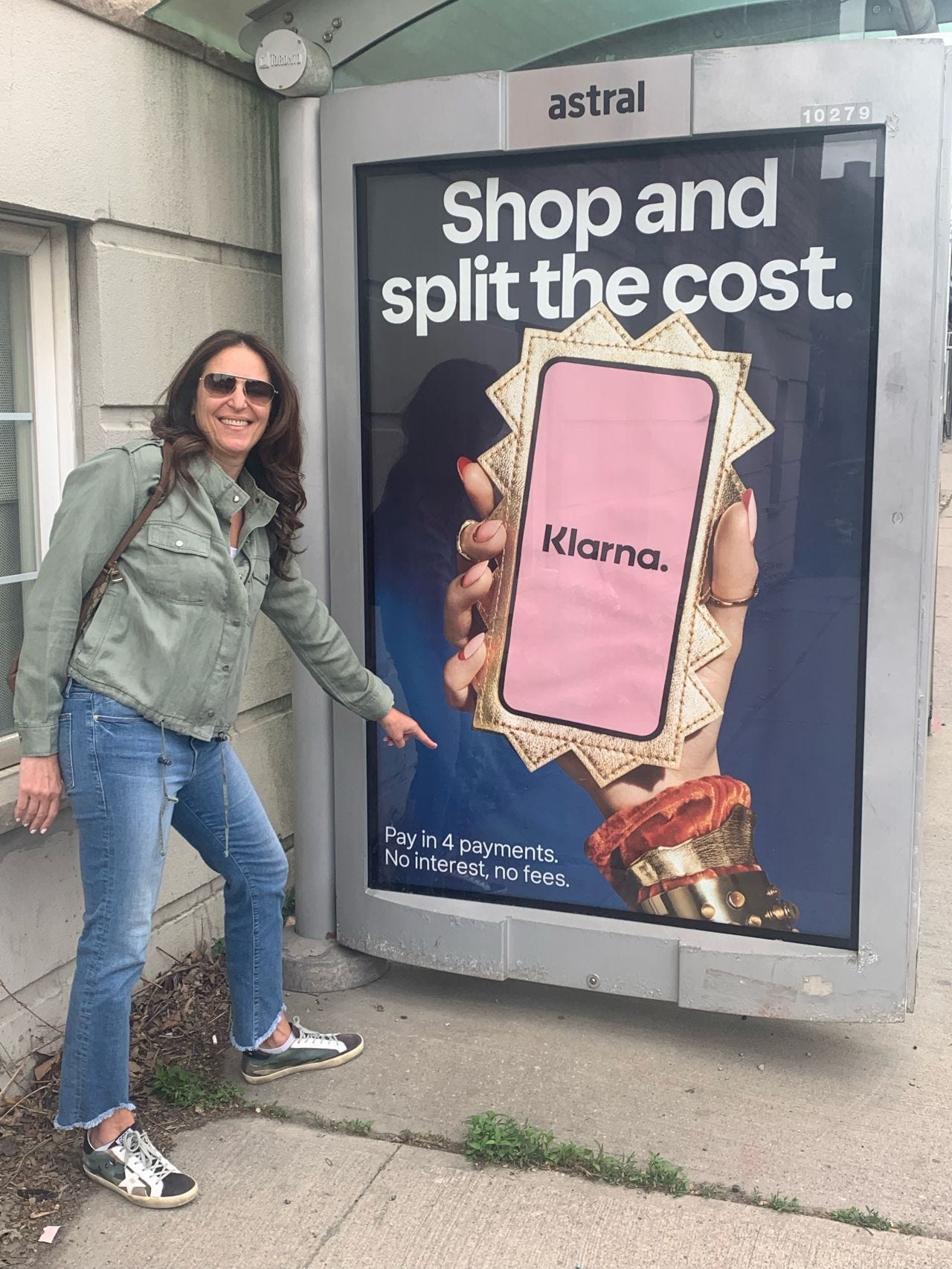
Lately, I’ve been struck by how often money stories in both Canada and the U.S. sound the same, especially when they’re about younger generations (Gen Z and younger Millennials).
These stories paint a surprisingly consistent picture, despite some national differences: young adults everywhere are spending more, saving less, and borrowing in new ways. In a financial landscape unlike anything their parents or grandparents faced, some are doing it just to get by. Others are doing it to distract themselves or as a way to feel pleasure in an unpredictable economy. Why not, the traditional goals of saving for a house or retirement feel completely out of reach! It’s a reaction to a system that feels stacked against them.
FOMO, or the fear of missing out, is pushing young people to spend, not only to keep up with their peers but also to achieve aspirational lifestyles. The Joneses have moved to social media! And social commerce has made spending frictionless. When combined with a YOLO mindset (you only live once), it’s a recipe for spending and debt.
What’s happening
In Canada, a recent Maclean’s feature called “The Doom Spenders” describes young people spending now because the future feels uncertain. When rent eats up more than half your income, housing prices are out of reach, and debt is already sky-high, it’s hard to see the point of deferring every pleasure.
In the U.S., The Cut profiles young people buried under student loans, medical bills, and low wages, who still find themselves clicking “checkout.” It’s part stress relief, part rebellion, part resignation - a “doomscroll-to-checkout pipeline.”
And then The New York Times adds another layer: the rise of “Buy Now, Pay Later (BNPL)”. Services like Klarna, Afterpay, and Affirm promise freedom and flexibility but are quietly changing the psychology of spending. When you can split a $120 purchase into four “interest-free” payments, it feels so “affordable”. You don’t feel like you’re going into debt. Until, of course, you are.
Why it matters
Across borders, the story is the same:
The math doesn’t add up. Incomes haven’t kept pace with housing, the cost of living or education costs, so even responsible young people who are “doing everything right” feel squeezed.
The financial system has changed. Frictionless spending (e.g. Amazon One-Click, digital wallets, subscription services), and new credit tools like BNPL, make it easy to spend, with debt quickly piling up. But young people are not just using it for nice-to-haves like manicures, vacations and shopping hauls. Some are now using BNPL to pay for necessities like groceries.
The psychology of money is shifting. Many young adults see saving for a future that feels unattainable as futile. Spending becomes an act of control in an uncontrollable world.
What families can do
If you’re a parent or grandparent, here are four ways to help younger people navigate this landscape:
Talk about feelings, not just finances
Money conversations often focus solely on the numbers. But for many young adults, spending is tied to anxiety, uncertainty, a sense of injustice, or even self-worth. (I explored this when I interviewed Jessica Moorhouse, author of Everything But Money.) Ask why they spend, not just how much.
But don’t ignore the numbers
Even small choices add up - for better or for worse. Encourage your kids and grandkids to create a financial plan. Planning, with the help of a financial advisor, encourages responsibility and accountability.
Understand the new credit tools
Most older generations never used “Buy Now, Pay Later” (we used “layaway” plans.) Help younger family members understand how these tools work and how they can spiral. They’ve earned the nickname “Buy Now, Pain Later” for good reason.
Reintroduce friction into spending
Take advantage of your mobile banking app to set notifications and alerts (on your phone or smart watch) when you use your debit or credit card. This brings awareness back to your spending and makes it feel more “real”. Consider removing shopping apps from your phone and unsubscribing from marketing emails.
The challenge, and the opportunity, is to meet them where they are: with empathy, education and tools that make sense in today’s world.
One of these tools is The Wealth Barber: The Fully Updated All-Time Canadian Classic, by David Chilton. This book can help the next generation combat FOMO and YOLO, take control of their financial future and start building wealth with confidence. Coming up next time, I’ll have an opportunity to delve deeper as I interview the wealthy barber himself!
Media corner
Christi Rae, a gaming industry consultant based in Vancouver, recently launched a new podcast called The Great Canadian Piggybank. It’s a show for parents who want to raise financially confident kids, even if they don’t feel financially confident themselves. Christie’s passion for teaching kids about money comes through in our episode: The Allowance Debate: How Much, When and Why.
I shared some tips for parents in From Robux to roaming, here’s how to prevent your kids’ costly smartphone mistakes, published in The Toronto Star (paywall applies).
Check out a recently updated episode on BNPL called Buy now, pay dearly? from Planet Money, one of my favourite podcasts. It also explains how these companies make money.